

If you’ve ever left a dental cleaning surprised by your results — or disappointed — you’re not alone. Many Prairie Village patients wonder what a dental cleaning will actually remove, especially when it comes to stains. Understanding the difference between what a cleaning tackles and what requires additional treatment helps you set realistic expectations. This guide breaks it all down so you can walk into your next appointment feeling informed and confident.
What a Standard Dental Cleaning Actually Does
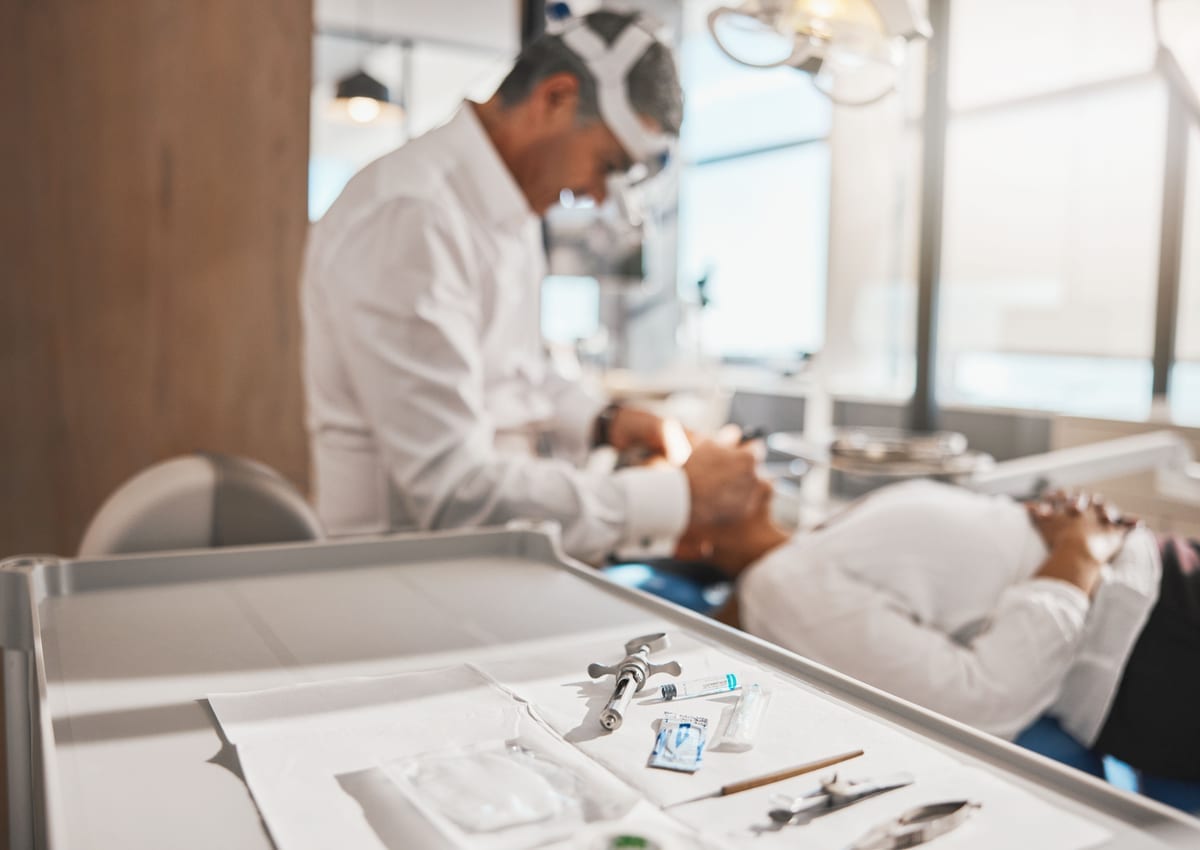
A professional dental cleaning focuses on two key goals. First, it removes plaque and tartar buildup from your teeth and gumline. Second, it polishes the surface of your teeth to remove light surface stains.
During the cleaning, your hygienist uses specialized tools to scale away hardened deposits. These deposits can harbor bacteria and cause gum disease if left untreated. The polishing step comes at the end and uses a mildly abrasive paste.
That polish is where most stain removal happens. It buffs away soft surface discoloration caused by everyday habits. Think of it as a reset button for the outer layer of your enamel.
- Removes plaque and tartar from all tooth surfaces
- Cleans along and just below the gumline
- Polishes away soft surface stains
- Freshens breath by eliminating bacteria buildup
- Gives your dentist a clear view of your tooth enamel
Which Stains a Cleaning Can Remove in Prairie Village
Not all stains are created equal. A routine cleaning works well on what dentists call extrinsic stains. These are stains that sit on the outer surface of your enamel.
Common sources of extrinsic stains include coffee, tea, red wine, and certain foods like berries. Tobacco use also creates surface discoloration that builds up over time. A cleaning can significantly reduce or eliminate these types of stains.
The results depend on how long the stain has been there and how deeply it has settled. Fresh stains respond better than long-standing ones. Patients who come in every six months tend to see more consistent stain removal results.
- Coffee and tea stains
- Red wine discoloration
- Tobacco-related surface yellowing
- Food-based pigment buildup
- General surface dullness from everyday wear
Which Stains a Cleaning Cannot Remove — and Why
Here is where many patients feel confused or let down. Some stains simply cannot be removed with a standard cleaning. These are called intrinsic stains, and they live inside the tooth structure itself.
Intrinsic stains develop from several causes. Certain medications like tetracycline can discolor teeth from the inside during development. Excessive fluoride exposure during childhood, called fluorosis, can also cause internal discoloration. Trauma to a tooth may cause it to darken over time as well.
Age-related yellowing is another common concern. As enamel wears down over the years, the naturally yellow dentin underneath shows through more. A cleaning polishes enamel, but it cannot thicken or replace it.
If your staining is intrinsic, a cleaning will still leave your teeth cleaner and healthier. However, the color change you see may be minimal. That is completely normal and does not mean the cleaning failed.
When to Consider Cosmetic Options After Your Cleaning
If a cleaning leaves your teeth healthy but still not as bright as you’d like, cosmetic options can help. Cosmetic Dentistry Prairie Village patients at Monarch Dental Care have access to a range of treatments that go beyond what a cleaning achieves.
Professional teeth whitening is the most popular next step. It uses a stronger bleaching agent than anything available over the counter. Teeth Whitening Prairie Village treatments at our practice are customized to your specific shade goals and tooth sensitivity level.
For deeply stained or discolored teeth that do not respond to whitening, veneers may be a better fit. Veneers cover the front surface of a tooth and create a uniform, bright appearance. Dr. Alex Clark can help you determine which option fits your smile goals best.
The best time to begin any whitening or cosmetic treatment is right after a professional cleaning. Your enamel is freshly polished, and any treatment applied will penetrate more evenly. Scheduling your consultation at the same appointment is a smart and efficient approach.
How to Maintain Stain-Free Teeth Between Cleanings
Prevention is always easier than correction. A few simple habits can dramatically reduce stain buildup between your visits.
Rinsing with water after consuming coffee, tea, or wine helps wash away pigments before they settle. Using a straw for dark beverages reduces direct contact with your enamel. Brushing twice daily with a whitening toothpaste provides mild ongoing maintenance.
Tobacco cessation is one of the most impactful steps you can take for both stain prevention and overall oral health. Smoking and chewing tobacco create stains that are among the most stubborn to remove. Dr. Alex Clark and the team at Monarch Dental Care are happy to support patients working toward this goal.
Keeping up with your regular six-month cleanings is the single most effective long-term strategy. Consistent visits prevent stain buildup from becoming a bigger problem. They also keep your gums healthy and your whole mouth in better shape.
Conclusion: Realistic Expectations Lead to Better Results
Understanding what your dental cleaning will actually remove — stains edition Prairie Village style — means you walk in prepared and walk out satisfied. A cleaning does an excellent job on surface stains. For deeper discoloration, cosmetic treatments like professional whitening or veneers offer real solutions.
Dr. Alex Clark and the team at Monarch Dental Care in Prairie Village, KS are here to guide you through every step. Whether you need a routine cleaning or want to explore whitening options, we make the process simple and comfortable. Book Now to schedule your appointment with our team.
Frequently Asked Questions
Will a teeth cleaning whiten my teeth?
A professional cleaning removes surface stains and polishes your enamel, which can make teeth look noticeably brighter. However, it is not the same as professional teeth whitening. Whitening treatments use bleaching agents that go deeper into the enamel to lift stubborn discoloration.
How long do stain removal results from a cleaning last?
Results vary based on your diet and habits. Most patients see their cleaning results last three to six months before staining begins to return. Rinsing after consuming staining foods and beverages, and brushing consistently, helps extend those results.
Can old coffee stains be removed by a cleaning?
Light to moderate coffee staining that sits on the enamel surface can often be reduced or removed during a professional cleaning. However, deeply set stains that have accumulated over many years may require professional whitening or other cosmetic treatment to fully address.
Are there any stains that no treatment can fix?
Severe intrinsic staining, such as that caused by tetracycline antibiotics during childhood, can be very difficult to treat with whitening alone. In these cases, veneers or dental crowns may be the most effective option. Dr. Alex Clark can evaluate your situation and recommend the best path forward.
How often should I get a dental cleaning to keep stains under control?
Most patients benefit from a professional cleaning every six months. If you consume a lot of staining beverages or use tobacco, your dentist may recommend more frequent visits. Consistent cleanings are the most effective way to prevent stain buildup over time.